
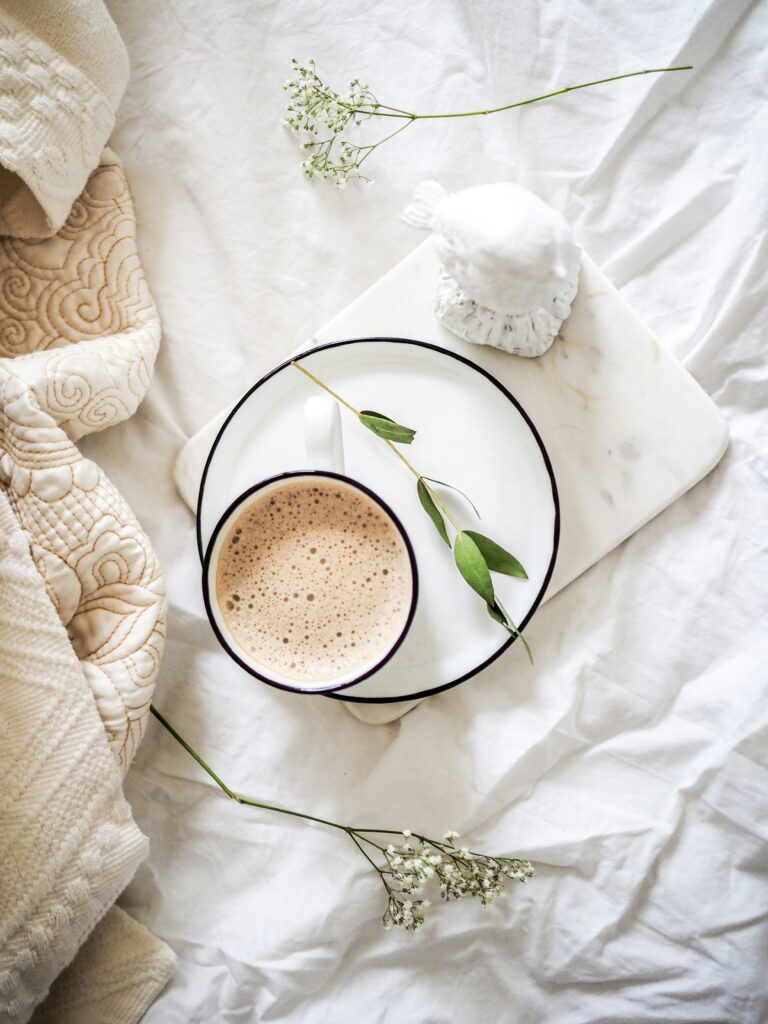
In the hustle and bustle of modern life, our bedrooms serve as sanctuaries of peace and relaxation, a personal retreat where we can unwind, recharge, and get a good night’s sleep. Creating a relaxing bedroom is not just about aesthetics; it’s about crafting an environment that promotes tranquility and well-being. Here are some essential tips for transforming your bedroom into a serene haven that encourages relaxation and restfulness.
1. Embrace a Calming Color Palette
Color has a profound impact on our mood and emotions. To create a relaxing atmosphere in your bedroom, opt for a calming color palette. Soft, muted tones like pale blues, gentle greens, warm whites, and light greys are known for their soothing properties. These colors evoke a sense of peace and serenity, making them perfect for a restful bedroom environment.
2. Prioritize Comfortable Bedding
Your bed is the centerpiece of your bedroom and key to a good night’s sleep. Invest in high-quality, comfortable bedding that invites you to unwind. Look for soft, breathable fabrics like cotton, linen, or bamboo that feel gentle against the skin. A supportive mattress, plush pillows, and cozy blankets or duvets can make all the difference in creating a bed you can’t wait to sink into.
3. Minimize Clutter
A cluttered space can lead to a cluttered mind, which is the antithesis of relaxation. Keep your bedroom tidy and organized by minimizing unnecessary items and utilizing smart storage solutions. A decluttered space not only looks more inviting but also promotes a sense of calm and order, making it easier to relax and drift off to sleep.
4. Incorporate Nature
Bringing elements of nature into your bedroom can enhance its calming effect. Indoor plants not only add a touch of greenery and life but also improve air quality. Natural materials like wood, stone, and wool add texture and warmth, creating a cozy and grounded atmosphere. Consider incorporating nature-inspired artwork or photographs that evoke tranquility.
5. Focus on Lighting
Lighting plays a crucial role in setting the mood of your bedroom. Opt for soft, warm lighting to create a cozy and inviting atmosphere. Dimmer switches allow you to adjust the lighting to your preference, while bedside lamps offer focused light for reading or relaxing before sleep. Consider blackout curtains or shades to block out external light sources and ensure your bedroom is a dark, restful place at night.
6. Add Personal Touches
Personalizing your bedroom with items that bring you joy and comfort can make it feel more relaxing and inviting. This might include family photos, cherished mementos, or artwork that speaks to you. Creating a space that reflects your personal style and interests can help you feel more connected and at ease.
7. Incorporate Relaxing Scents
Scents have the power to influence our mood and promote relaxation. Consider using essential oils, scented candles, or diffusers with calming aromas like lavender, chamomile, or vanilla. These scents can help soothe the mind and prepare you for a restful night’s sleep.
8. Create a Reading Nook
If space allows, create a cozy reading nook in your bedroom with a comfortable chair or window seat, soft lighting, and a selection of your favorite books. This dedicated space for unwinding with a good book before bed can become a cherished ritual that signals your mind and body to relax.
Creating a relaxing bedroom is about more than just design; it’s about fostering an environment that supports your well-being and promotes restful sleep. By focusing on calming colors, comfortable bedding, clutter reduction, and personal touches, you can transform your bedroom into a serene oasis where you can escape the stresses of daily life and recharge for the day ahead.
No Comments