 In today’s fast-paced world, encouraging children to engage in outdoor play is more crucial than ever. Not only does it foster physical development, but it also plays a significant role in the mental and creative growth of young minds. A garden, regardless of its size, can become a magnificent playground where the possibilities for fun and creativity are boundless. This article explores various activities that are suitable for children of all ages, focusing particularly on incorporating a 12ft Trampoline and a Baby Climbing Frame to enrich these experiences.
Transforming Your Garden into a Creative Playground:
1. Setting the Stage with a 12ft Trampoline
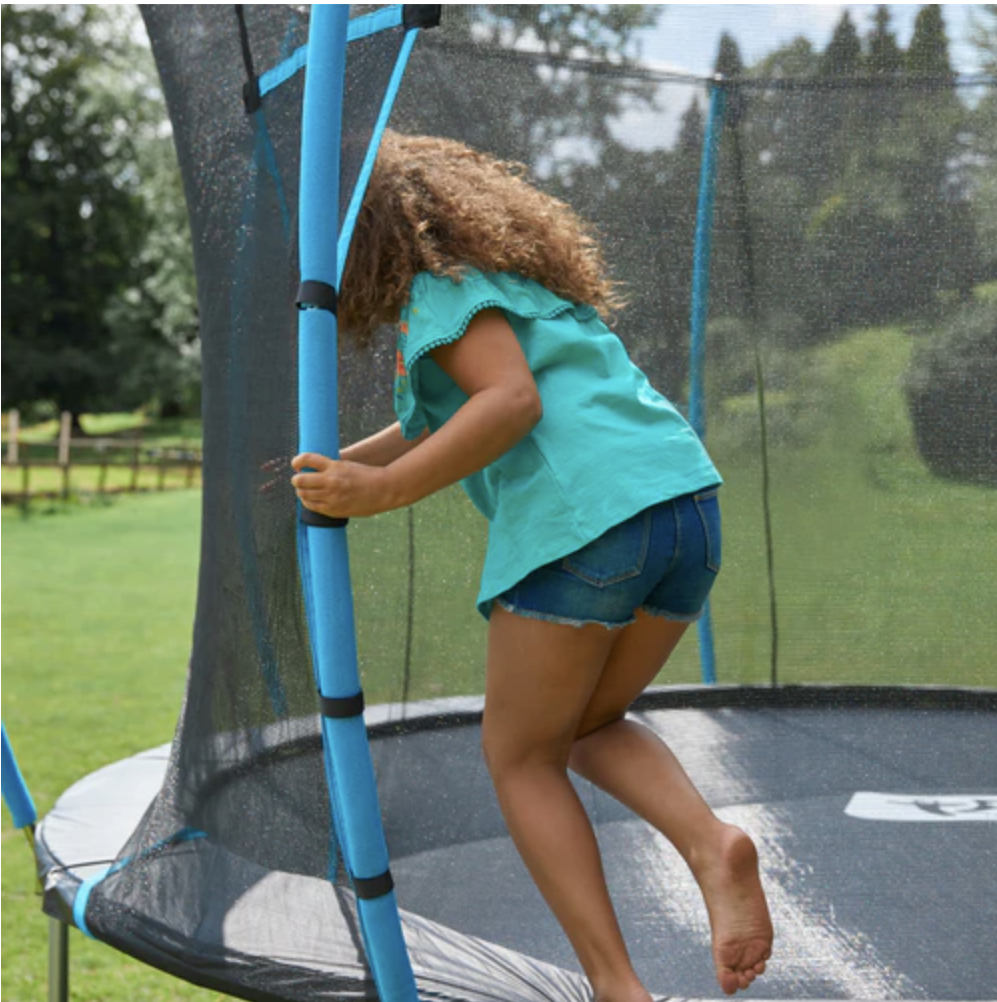
A 12ft trampoline offers ample space for safe and exhilarating play. Not just a tool for bouncing. It can be the centrepiece of your garden playground. The trampoline can be used to teach basic gymnastics or to create games that encourage cooperative play. For instance, ‘popcorn’ is when children sit on the trampoline and try to stay seated while others jump, or ‘crack the egg’ is when players try to break another player’s protective ball shape by making them move with their jumps. Safety should always be paramount, so ensure that the trampoline is equipped with a safety net and placed on level ground.
2. Cultivating Adventure with a Baby Climbing Frame
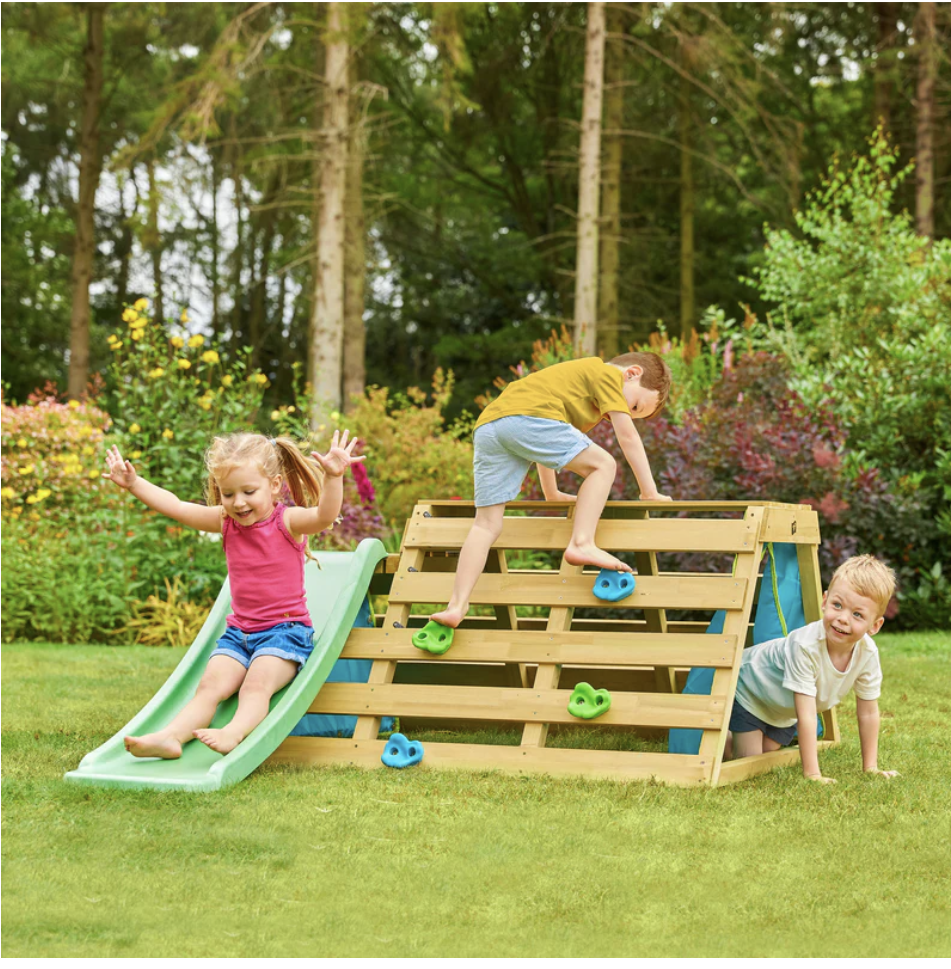
For younger children, a baby climbing frame is an excellent addition to your garden. These frames encourage motor skills development and offer a safe environment for toddlers to explore their climbing abilities. You can enhance the climbing frame by adding a sandbox below or attaching a slide to the side. This setup not only keeps the little ones engaged but also stimulates their problem-solving skills as they navigate through different sections.
3. Nature Hunts and Garden Exploration
Organise nature hunts where children can explore the biodiversity of their garen. Create a simple checklist of common insects, birds, and plants they might find, turning this activity into an educational experience that enhances their observational skills. For older children, introduce the concept of documenting every species they can find. This encourages them to engage more deeply with their environment, fostering a greater understanding and appreciation of nature’s diversity.
4. Art and Craft in the Open Air
Set up an outdoor art station where children can draw, paint, or create crafts using natural materials they collect from the garden. Leaf painting, rock decorating, or building fairy houses from twigs and leaves can be delightful ways to express creativity. Such activities not only stimulate artistic skills but also help children appreciate the natural world’s textures and colours.
5. Water Play for All Ages
On warmer days, incorporate water play to provide refreshing fun. Younger children can enjoy splashing in a small paddling pool or playing with water tables, while older children might engage in more structured water games like ‘duck duck splash’ (a wet version of duck duck goose) or a homemade water slide. Always supervise water play to ensure safety.
6. DIY Obstacle Courses
Create an obstacle course using items like ropes, tyres, and cones. Include challenges suitable for different age groups, such as crawling under a string for toddlers or balancing on a beam for older children. Obstacle courses are excellent for physical development and can be changed frequently to provide ongoing challenges.
7. Gardening Together
Involve children in gardening tasks suitable for their age. Little ones can help with watering plants or digging small holes for seeds, while older children might take on more responsibility, like planting and maintaining a vegetable patch. Gardening is not only relaxing but teaches responsibility and the cycle of life.
8. The Magic of Storytelling
Use your garden as a stage for storytelling sessions. Create a comfortable seating area with cushions and blankets, and read stories to the children. Alternatively, encourage them to create and perform their own stories, perhaps inspired by their surroundings. This not only enhances their language skills but also lets their imaginations soar.
9. Picnics and Outdoor Meals
Finally, don’t overlook the joy of picnics. Whether it’s a simple snack or a full meal, eating outdoors can be a novel experience for children. It’s also a perfect opportunity for family bonding and enjoying the beauty of your garden together.
 Conclusion
By introducing creative elements like a 12ft trampoline and a baby climbing frame and by planning engaging activities, you can transform your garden into a vibrant arena of imagination and joy that appeals to children of all ages. Such an environment not only supports their developmental needs but also creates cherished family memories. Encourage your children to step outside and watch as they explore the endless possibilities that nature and creativity have to offer.



No Comments